009/270: #BoundsGreen – The Box Style

Bounds Green is a variation on Holden’s “Sudbury Box.” This octagonal shaped station features high sided window frames which allow light into a spacious ticket hall bellow. This concept is repeated across the network and gains it’s name from Sudbury Town station also on the Piccadilly Line. It was actually designed by Holden’s colleague, C.H.James.

Despite it’s crisp and box like form, Bounds Green still includes the popular Modernist design feature of curved window frames, as seen in the street level shop fronts.
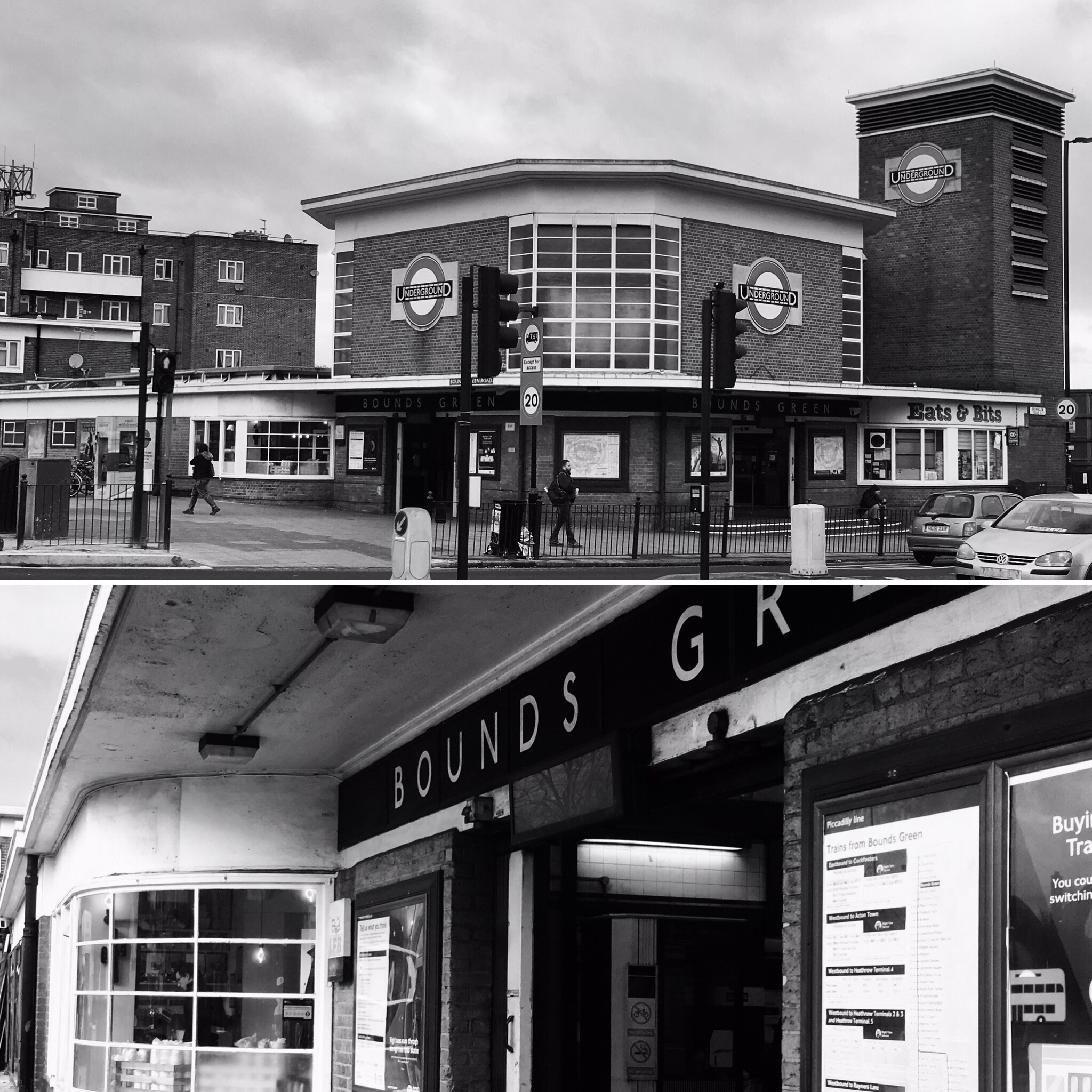
Image copyright A Carter – CallingAllStations.co.uk
008/270: #WoodGreen – The Listed

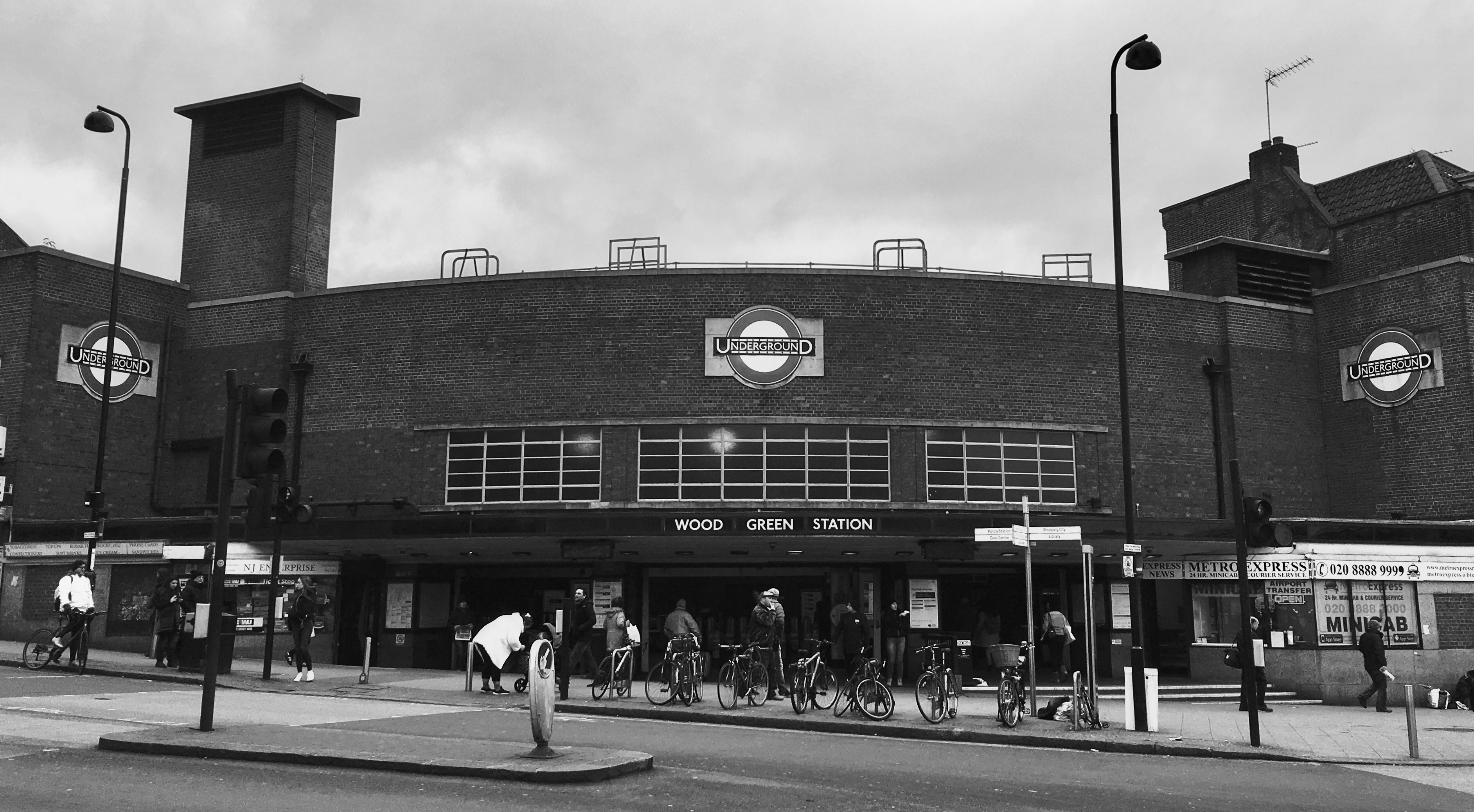
Examine most of the stations north of Turnpike Lane and you’ll soon see that Wood Green stands out. Limited by the size of the corner plot, Holden was forced to change what had become a fairly standardised design on the Piccadilly Line extension of stand alone buildings with a single tower structure.

Wood Green instead sweeps into the surrounding shopping arcade. The ventilation towers were a later addition which somewhat spoil the symmetry. It was the last station between Turnpike Lane (007) and Cockfosters (013) to receive listed status which finally came in 2011. It highlights the lasting importance of Holden’s designs on the network

Image copyright A Carter – CallingAllStations.co.uk

007/270: #TurnpikeLane – The Holden

In 1923 Frank Pick, general manager of the UERL, commissioned Charles Holden to design a new facade for Westminster station. This began a famous decade long partnership between Holden and Pick that would see them design huge swathes of new and refurbished station buildings across the network.

At Turnpike Lane we see one of his later additions in the modernist Art Deco stylings. I don’t think it’s the best example of his work, but nevertheless it marks a stark contrast to the poky two story Leslie Green facades of the inner city. Whilst Green’s work is very much about fitting new stations into an already crowded inner city, this was the birth of suburbia; Holden and Pick wanted new stations to be the central focus of new communities. Grand concourses match the spaciousness of the outer boroughs.

Image copyright A Carter – CallingAllStations.co.uk

006/270: #ManorHouse – The Bungalow 

Some tube stations blend seamlessly into their surroundings. Manor House is one of those stations. This unassuming single story bulding supplements a number of subway exits at the intersection of Green Lanes and Seven Sisters Road. It doesn’t shout about it’s existence like many stations but still acts as that familiar London Underground calling card.

Image copyright A Carter – CallingAllStations.co.uk

005/270: #Arsenal – The Gunners

Originally another Leslie Green fronted station, Gillespie Road was upgraded in the 1930s when The Gunners moved to town.

The only station to be named after a football team, Arsenal is now a hybrid of Holdenesque Art Deco on the outside and classic Leslie Green at platform level.

Despite it’s significance, it’s a fairly modest affair and now shares the matchday workload with nearby Holloway Road (004). Look out for the fan segregation barrier that runs the length of the station passageways.

Image copyright A Carter – CallingAllStations.co.uk