079/270: #Harlesden – The Harlequin

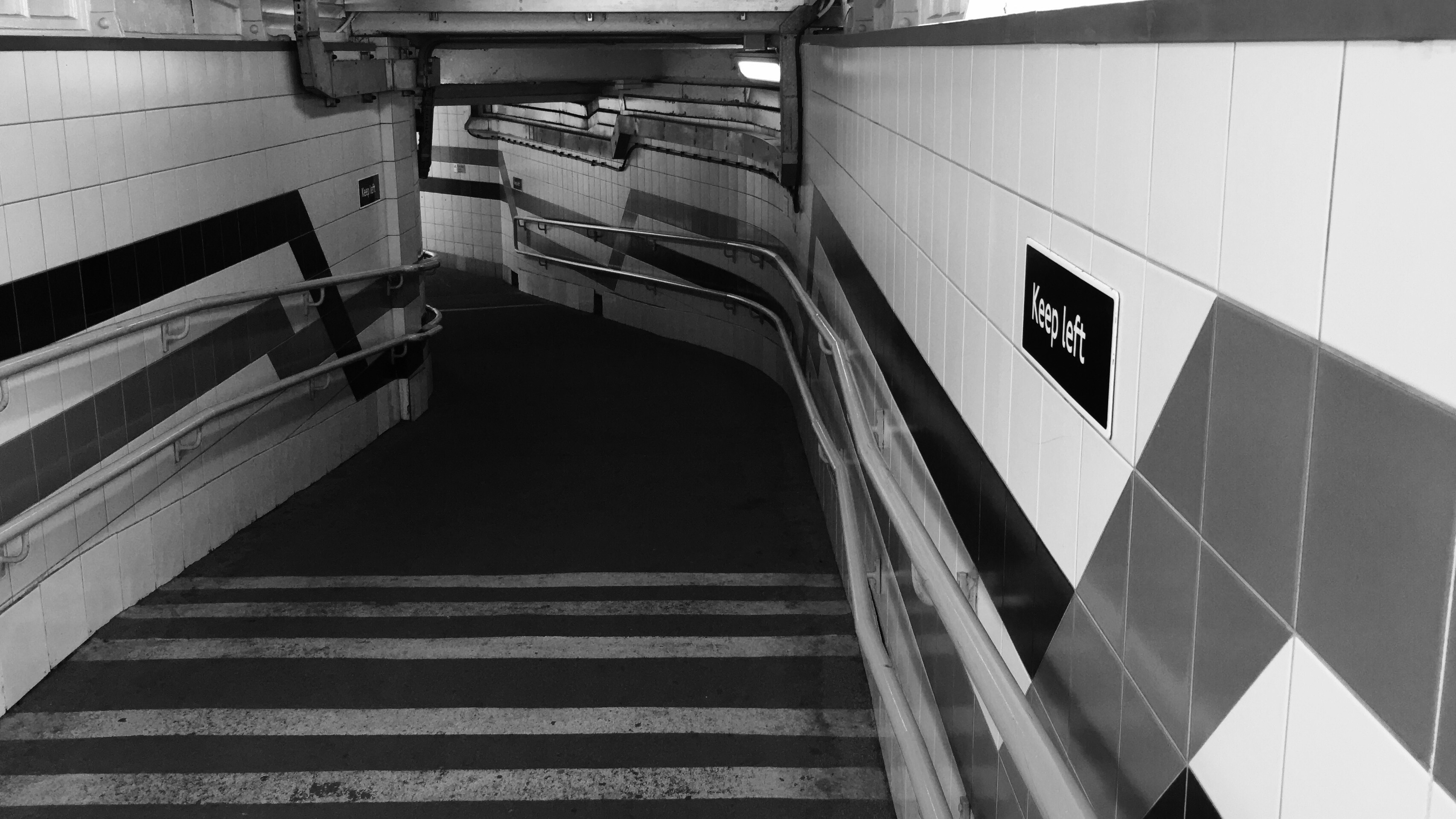
For a brief spell in the 1990’s the Watford DC Line was operating under the moniker “The Harlquin Line.” Details as to how this came about have been lost in the mists of time, but a few forums suggest the title was acquired from a public naming competition ran by Network SouthEast.

Some say that Harlequin is a portmanteau of HARLsden and QUEENs Park. Others have suggested that the inclusion of Harlesden is merely a happy coincidence and the name is actually a triple portmanteau of HARrow, WilLESden and QUEENs Park.

At some point, perhaps after privitisation, the Harlequin name seems to have dropped out of use in favour for the less interesting “Watford DC Line.” Either way if you’ve got any information about how this brief but quirky name came about, do drop a comment below…

Image copyright A Carter – CallingAllStations.co.uk
Station Index

078/270: #WillesdenJunction – The Confusing

Willesden Junction shouldn’t be that confusing. It has 5 platforms. 2 up top for the Overground, 2 down below for the Bakerloo and Watford DC lines and a 5th lesser used bay that we don’t really need to worry about. The thing is, it’s not Willesden’s platform layout that we found confusing, it’s the connecting passageways and non-descript exits that really will disorient and bemuse you.

I suspect it’s down to the history of Willesden Junction. This used to be 3 technically separate stations (the two we’ve mentioned already plus a now demolished main line station), each built stand alone with their own unique entrances. Sure they’ve been knitted together after, but the entrances have not been sufficiently rationalised. This probably wasn’t too much of a problem until very recently when the advent of the automated ticket barrier meant you couldn’t simply walk back through the station if you got it wrong. Now, exit at the wrong gateline and, due to the nature of the railway landscape, you’re about half a mile away from where you actually wanted to be.

The signage doesn’t help either, especially for new comers not really sure of their surroundings. Victoria and I learnt this the hard way when we both agreed to follow signs for “Buses” blissfully unaware there were in fact “Buses” at both exits…

Image copyright A Carter – CallingAllStations.co.uk
Station Index

077/270: #BakerStreet – The Metropolitan

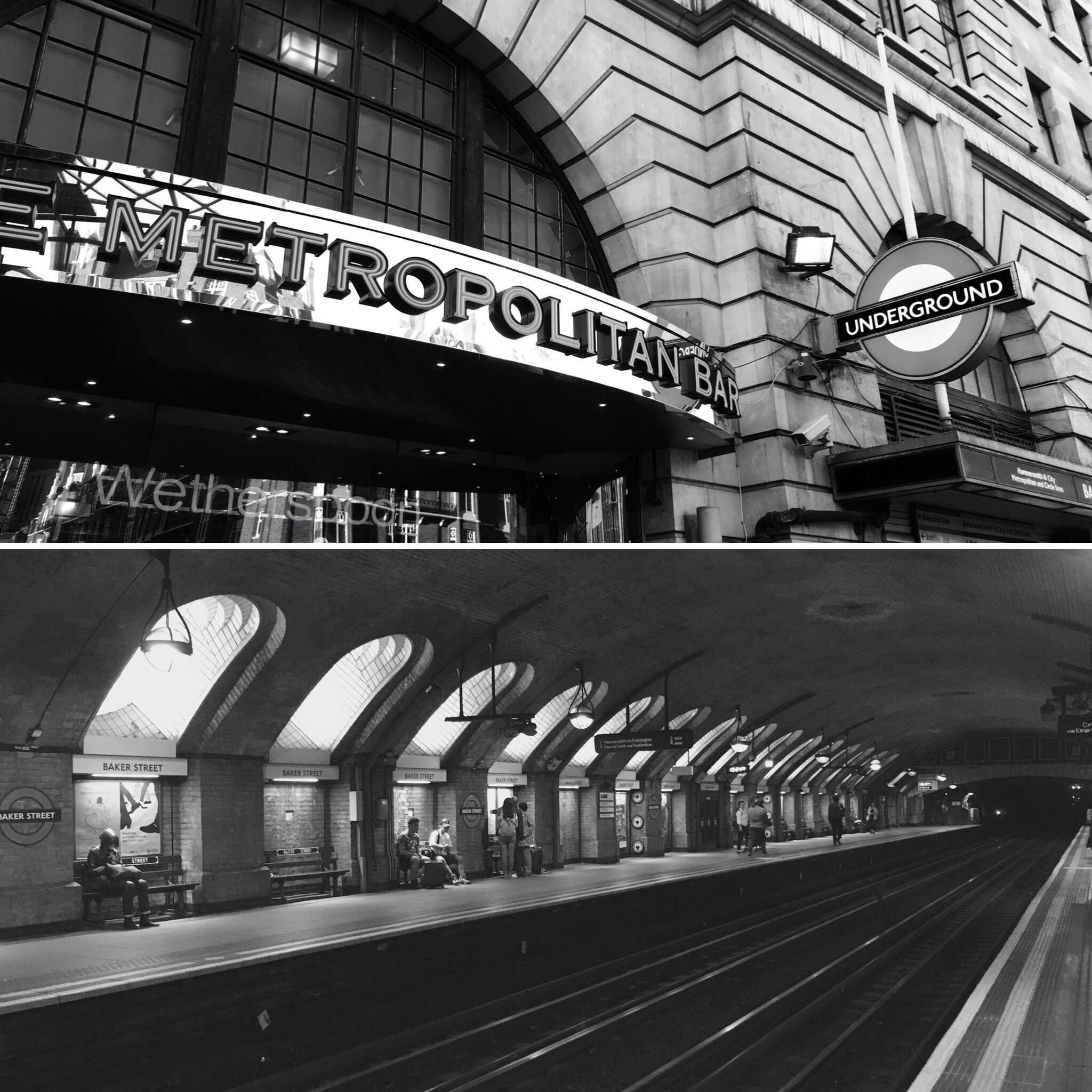
One of the first underground stations to be built, Baker Street is certainly steeped in history. The world’s first underground railway was powered by steam and it’s almost difficult to imagine that this clean well-kept station once hosting loud and billowing steam locomotives. Anyone who’s ever ridden behind a steam loco going through a tunnel will tell you how quickly these cramped spaces fill with sooty smoke. However even in the 1860’s, our Victorian cousins were thinking about how to mitigate the use of steam power in such confined conditions. Compressors were used on the locomotives to help reduce the amount of exhaust smoke and special considerations were given to the designs of the stations and infrastructure. The construction of the arched retaining walls here at Baker Street on the original platforms (now served by Circle and Hammersmith and City Lines) were famously designed to let daylight in and steam and smoke out.

Upstairs is one of my favourite features of any Underground station – Chiltern Court, the grand Edwardian era Charles Clark building which housed the Metropolitan Railway’s headquarters, luxury accommodation and a hotel. This is not a feature unique to the Metropolitan Railway and, as we know, some of London’s top architectural delights are former multipurpose railway headquarters. Facilities like those here at Baker Street and others at St. Pancras and Marylebone, were built to not only welcome the railways’ passengers but to provide a showcase for the company’s might and wealth.

Part of Chiltern Court is open to the public in the form of The Metropolitan Whetherspoons which is certainly well worth a visit.

Image copyright A Carter – CallingAllStations.co.uk

Station Index

088/270: #FinchleyRoad – The Glacier

I’ve been struggling for weeks to come up with a title for Finchley Road. I mean sure there’s history here, we’re still of course in the realms of Metropolitan Railway grandeur. And yes, though grubby, the station frontage is interesting in its own right but there is to an extent only so much I can bang on about Victorian Railway mania or oh look how lovely is that facade’…

So instead here’s a fact for you:

According to earth analysis as part of a recent BBC documentary, Finchley Road station marked the southern most point of a glacier that once covered most of the country in Ice Age Britain. Huh!

Any comparison to the speed of a glacier and the Jubilee Line are purely coincidental. 

Image copyright A Carter – CallingAllStations.co.uk
Station Index

054/270: #WalthamstowCentral – The Backup

Walthamstow Central is one of my backup stations. When the Central Line is broken, this or Blackhorse Road (014) is where I’ll be headed. We’re 27 days into the year and I’ve used both…

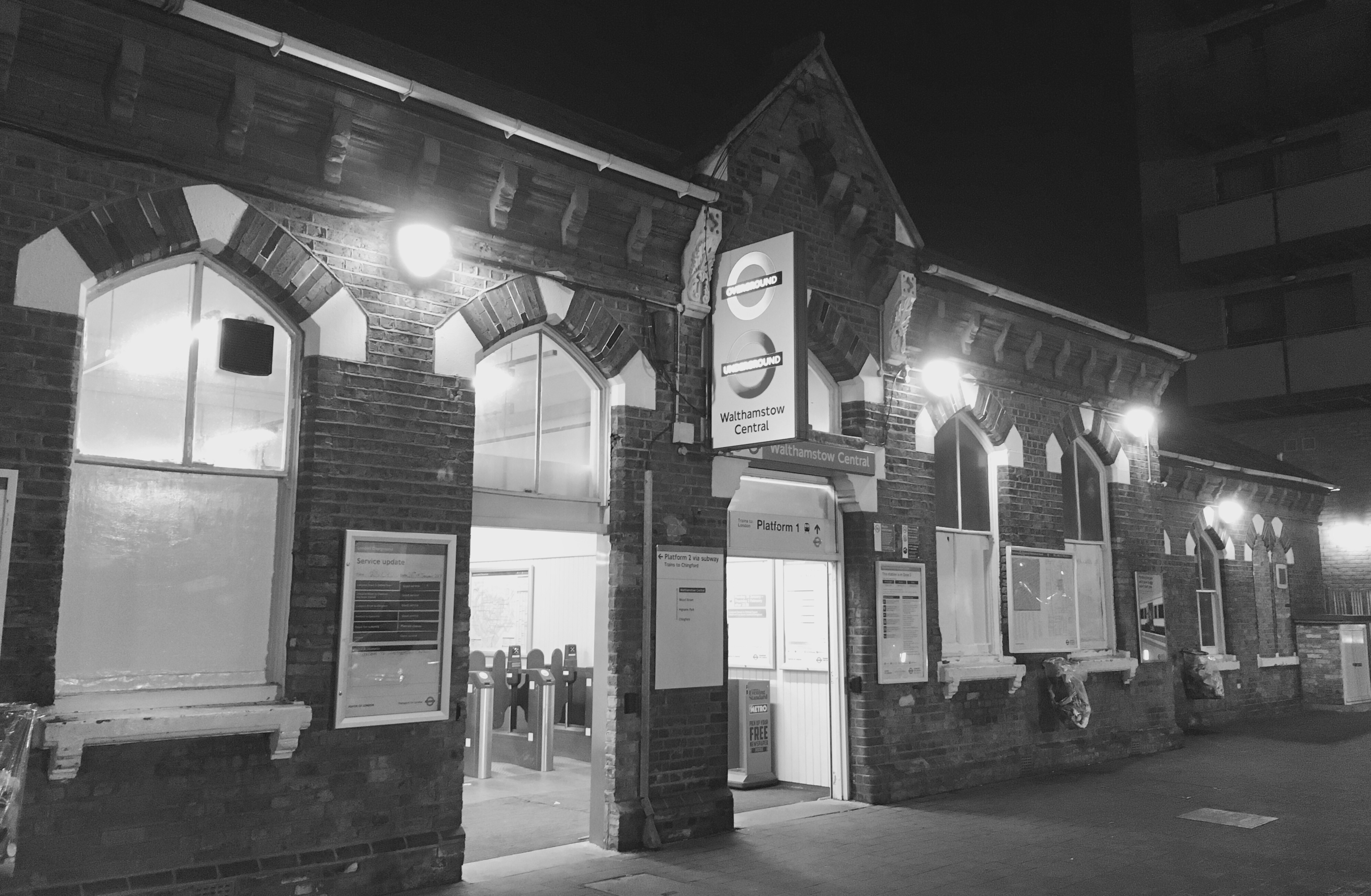
A station existed here for nearly 100 years before the Victoria Line showed up. If the signs didn’t tell you where it was, you’d be forgiven for completely missing the ticket hall which hides beneath the Overground tracks to Chingford.

Long before the concept of Zone 3 existed, this area would have once been surrounded by fields and open countryside. It’s a far cry from the shiny new flats and developments that now surround and dwarf the quaint Victorian era station building.

Image copyright A Carter – CallingAllStations.co.uk